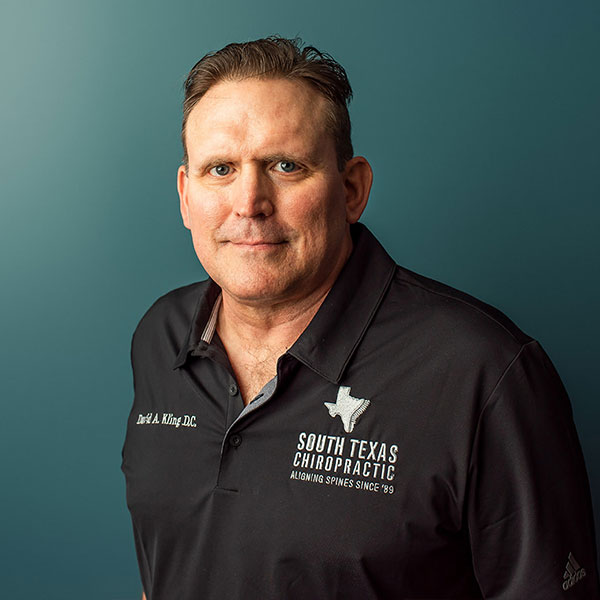
Dr. Barbara Kempeny D.C.
Doctor of Chiropractic · DACRB · PSP · CertMDT · CCSP
Dr. Barb graduated from Palmer College of Chiropractic West in 1999 — the school that founded the modern chiropractic profession — and has spent the 27 years since mastering the evidence-based end of the discipline. Her approach is rooted in mechanical diagnosis: find the specific movement pattern or structural problem that is generating your symptoms, then apply the most targeted intervention available.
She does not operate on a protocol. Every patient gets an individualized assessment. She will tell you what is actually wrong, what will fix it, roughly how long that will take, and what signs should bring you back if it recurs. If chiropractic care is not the right answer for your situation, she will tell you that too and refer you to the right provider.
- Education
- Doctor of Chiropractic, Palmer College of Chiropractic West, 1999
The founding institution of chiropractic — Davenport, IA / San Jose, CA
- Post-doctoral credentials
-
- DACRB — Diplomate, American Chiropractic Rehabilitation Board (2007). One of the highest post-doctoral credentials in chiropractic rehabilitation, requiring extensive clinical training and board examination in neurological, functional, and musculoskeletal rehabilitation.
- PSP — Certified Primary Spine Practitioner (2021). A multidisciplinary credential designed for clinicians who serve as the first point of contact for spine patients, emphasizing evidence-based triage, imaging appropriateness, and referral criteria.
- CertMDT — Certified in Mechanical Diagnosis and Therapy / McKenzie Method (2022). One of fewer than 5% of clinicians worldwide to hold formal MDT certification. Requires completion of all four McKenzie Institute credentialing courses plus a rigorous clinical examination.
- CCSP — Certified Chiropractic Sports Physician (2001). Focused on athletic injury evaluation, treatment, and return-to-sport protocols.
- Graston Technique Certified — Instrument-assisted soft-tissue mobilization for fascial restriction, tendinopathy, and post-surgical scar tissue.
- RockTape Functional Taping Certified — Kinesiology taping applied biomechanically for injury support and movement re-education.
- DNSET — Dynamic Neuromuscular Stabilization Exercise Trainer. DNS is a Prague School rehabilitation approach based on developmental neurology and functional movement patterns.
- Clinical philosophy
- Evidence-based practice means the treatment follows the diagnosis — not the other way around. Dr. Barb does not apply the same technique to every lower back pain patient. She assesses directional preference with MDT, identifies movement dysfunction with DNS principles, and selects the specific manual or soft-tissue intervention most likely to produce a measurable change. If one approach is not working, she will say so and adapt — not extend your care plan indefinitely.
- Areas of clinical focus
-
- Mechanical lower back and disc pain — MDT/McKenzie assessment and management
- Cervicogenic headache and neck pain
- Athletic injury and sports rehabilitation (CCSP)
- Functional rehabilitation and movement re-training (DNS/DACRB)
- Complex, chronic, or multi-disciplinary spine cases (PSP)
- Soft-tissue restriction and tendinopathy (Graston/IASTM)
- Pregnancy and postpartum musculoskeletal care
- Pediatric and adolescent chiropractic