
Evidence-based · no guesswork, no pressure

Sunnyvale's evidence-based chiropractor.

Dr. Barbara Kempeny, DC, DACRB, PSP — a Palmer College graduate with 27 years of practice, advanced rehabilitation credentials, and a single goal: get you moving the way you should be moving, and keep you there.

The Chiropractic Edge clinic at 438 S. Murphy Avenue, Sunnyvale CA 438 S. Murphy Ave · Suite 200 · Sunnyvale
27Years in practice
PalmerCollege of Chiropractic West, '99
DACRBDiplomate, Chiropractic Rehab Board
PSPCertified Primary Spine Practitioner
MDTMcKenzie Diagnosis & Therapy certified
Your chiropractor

One doctor.
Full attention, every visit.

Dr. Barbara Kempeny — Dr. Barb — has spent 27 years earning some of the most advanced rehabilitation credentials a chiropractor can hold. You will never be handed off to an assistant or rushed through a treatment protocol. When you book with Dr. Barb, you get Dr. Barb.

Owner · in practice since 1999 Dr. Barbara Kempeny, DC, DACRB, PSP — The Chiropractic Edge, Sunnyvale CA
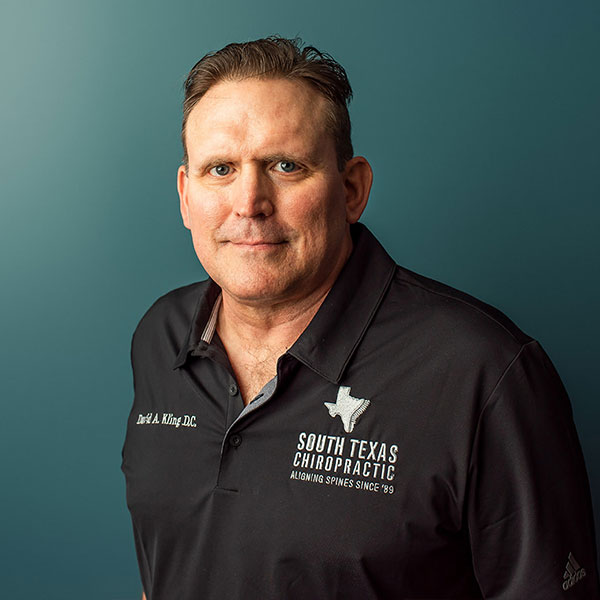
Dr. Barbara Kempeny D.C.

Doctor of Chiropractic · DACRB · PSP · CertMDT

Dr. Barb graduated from Palmer College of Chiropractic West in 1999 and has spent the decades since stacking the credentials that matter most for complex spinal and sports cases. Her approach is diagnostic first — find the actual mechanical problem, then correct it with the right tool. No generic protocols, no pre-sold visit plans.

Education
D.C., Palmer College of Chiropractic West (1999)
Credentials & certifications
  • Diplomate, American Chiropractic Rehabilitation Board (DACRB, 2007)
  • Certified Primary Spine Practitioner (PSP, 2021)
  • Certified McKenzie Diagnosis & Therapy (CertMDT, 2022)
  • Certified Chiropractic Sport Physician (CCSP, 2001)
  • Graston Technique Certified · RockTape Functional Taping Certified
  • Dynamic Neuromuscular Stabilization Exercise Trainer (DNSET)
Full bio & philosophy
Why patients choose The Edge

The Chiropractic Edge difference.

Diagnosis before treatment
Every visit starts with assessment. We find the mechanical driver — not just the symptom — before any adjustment is made. That is what MDT and PSP training are for.
Advanced rehabilitation credentials
A DACRB diplomate spends years studying movement, neurological rehab, and return-to-performance. Most chiropractors do not hold this credential. Dr. Barb does.
No high-pressure care plans
We do not pre-sell 24-visit packages. After your exam you get an honest, time-bounded plan with an exit point. We will tell you clearly when you no longer need us.
Sports and athletic focus
From recreational runners to competitive athletes, Dr. Barb's sport physician credentials and functional training background mean you get rehab that matches your performance goals.
What brings people in

Conditions we treat every week.

Most patients who find Dr. Barb are not chiropractic regulars. They are engineers and nurses and trail runners who have tried rest, tried cortisone, and are ready for a diagnosis that actually explains what is going on.

No. 01

Lower back pain

Mechanical LBP, disc-related symptoms, and sacroiliac dysfunction — categorized by direction preference with McKenzie method before treatment begins.

No. 02

Neck pain & stiffness

Tech neck, forward-head posture, and post-MVA whiplash — assessed for cervical spine centralization patterns before any manual work.

No. 03

Headaches & migraine

Cervicogenic headaches respond strongly to upper-cervical work and suboccipital release — once the mechanical driver is confirmed.

No. 04

Sciatica & disc pain

Radiating leg pain, numbness, or tingling. MDT directional preference testing guides us to the most effective position and technique immediately.

No. 05

Sports injuries

Rotator cuff strain, IT band syndrome, runner's knee, patellar tracking — structural assessment followed by sport-specific functional rehab.

No. 06

Auto-accident recovery

Thorough documentation, clear reporting, and a structured recovery plan. We communicate directly with your attorney or adjuster when needed.

No. 07

Pregnancy & postpartum

Gentle, position-supported care for lumbar, hip, and pelvic discomfort across all trimesters and into the fourth trimester.

No. 08

Shoulder pain

Rotator cuff irritation, frozen shoulder, and thoracic outlet involvement — common in desk workers, swimmers, and overhead athletes.

No. 09

Hip & SI joint pain

Sacroiliac dysfunction, hip imbalances, and gluteal pattern disruption — often behind chronic knee and ankle complaints.

No. 10

Wrist & carpal tunnel

Repetitive strain and nerve entrapment in the wrist and forearm, often linked to upper-cervical or thoracic spine nerve root involvement.

No. 11

Children & teens

Light, age-appropriate work for growth-related complaints, postural strain from screens, and adolescent sport injuries.

No. 12

Plantar fasciitis & foot

Graston instrument-assisted soft-tissue work for stubborn heel pain and fascia restriction. Often resolves cases that have not responded to rest alone.

Treatment approach

Diagnose first.
Then treat with precision.

Every patient gets a thorough mechanical assessment before any hands are laid on. The tools below are deployed based on what the diagnosis actually calls for — not based on what is billed easiest.

Tool · 01

Chiropractic adjustments

Diversified manual technique, drop-table, and gentler instrument-assisted (Activator) methods for sensitive or post-surgical cases. Technique is matched to diagnosis and patient tolerance.

Tool · 02

McKenzie Method (MDT)

A globally validated assessment system that identifies the specific directional movement that centralizes your pain. Dr. Barb is CertMDT-certified — one of fewer than 5% of clinicians worldwide.

Tool · 03

Dynamic Neuromuscular Stabilization (DNS)

Developmental movement patterns used to retrain deep stabilizing muscles that have been inhibited by pain or injury. Particularly effective for chronic core instability and recurrent LBP.

Tool · 04

Graston Technique (IASTM)

Instrument-assisted soft-tissue mobilization using stainless steel instruments to break down fascial restriction and scar tissue. Accelerates recovery from tendinopathy, plantar fasciitis, and post-surgical adhesion.

Tool · 05

RockTape functional taping

Kinesiology taping applied with a biomechanical understanding of movement — not just pattern. Used to support injured tissue during activity and facilitate sensory feedback during rehab.

Tool · 06

Spinal decompression

Motorized traction to relieve disc compression and nerve root impingement in the lumbar and cervical spine. Comfortable fifteen- to twenty-minute sessions, often layered with manual care.

Tool · 07

Functional movement & home exercise

Precise, few-movement home programs aligned with DNS and MDT principles. The goal is building independence — not perpetual visits. You leave every appointment knowing exactly what to do next.

"I would rather give you four exercises you will actually do than fourteen you will forget by the time you reach the parking lot."

— Dr. Barbara Kempeny
The Chiropractic Edge treatment room
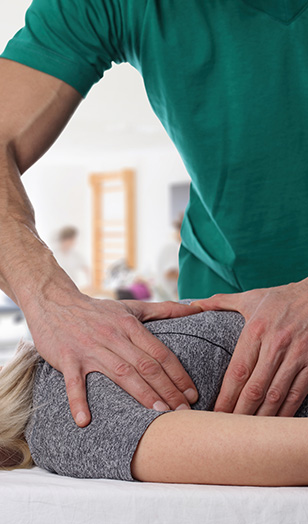
Chiropractic adjustment technique at The Chiropractic Edge
The Chiropractic Edge clinic — 438 S. Murphy Ave, Sunnyvale
First visit

What to expect on your first appointment.

No mystery. No "we will reassess in a few visits." Here is exactly what happens, in sequence, on the day you walk in.

  1. 1

    Paperwork (10 minutes)

    Download the new-patient intake ahead of time from our Jane App booking page, or complete it at the clinic. Bring your insurance card and a photo ID.

  2. 2

    History conversation (15 minutes)

    Dr. Barb sits with you. What hurts, when it started, what makes it better or worse, what you have already tried. She listens before she touches.

  3. 3

    Mechanical assessment

    Orthopedic, neurological, and range-of-motion examination. MDT directional testing to identify your movement pattern. Imaging ordered only when it will change the treatment decision.

  4. 4

    Clear diagnosis and honest plan

    You will leave knowing what is wrong, why it happened, and what a reasonable timeline to improvement looks like — not a vague "depends on how you respond."

  5. 5

    First treatment, if appropriate

    Most new patients receive their first treatment the same appointment. If today is not the right day, we say so and reschedule — no charge for the consultation.

Full first-visit guide What to bring
Welcoming new patient at The Chiropractic Edge
Insurance & payment

Straight answers on fees before your first visit.

Call or email and we will verify your benefits ahead of your appointment. No surprises at the desk, no "we will bill you the difference later."

Paying out of pocket

We publish a flat new-patient exam fee and a flat per-visit adjustment fee. No pre-sold care plans. If a treatment is not going to help you, we will tell you — and we will not bill you for it.

CareCredit & payment arrangements

CareCredit is accepted for larger treatment courses. Internal payment arrangements are available for established patients — just ask at your first visit.

Plans commonly accepted

  • Aetna
  • Anthem Blue Cross
  • Cigna
  • United Healthcare
  • Blue Shield of California
  • Medicare
  • Most auto & PIP policies
  • Workers' compensation (case-by-case)

Insurance participation may vary. We will verify your specific benefits before your first appointment — call (408) 290-8608 or email drbarbk@gmail.com.

From our patients

What Sunnyvale says about Dr. Barb.

Excerpts from verified patient reviews on Yelp and Google.

"

Dr. Barb is the real deal. She does not just crack your back and send you home — she actually figures out what is wrong and explains it in a way that makes sense. I have seen other chiropractors for years and never understood my problem as clearly as I did after one visit with her.

Jennifer M. · Chronic lower back pain
"

I came in post-marathon with a hip I could barely walk on. She assessed it properly, taped it correctly, and gave me four exercises that actually addressed the root cause. Back to training in three weeks. I wish I had found her years ago.

Marcus T. · Runner, sports injury
"

I had seen two other chiropractors for my disc issue with no improvement. Dr. Kempeny used the McKenzie method, identified my directional preference in the first session, and I felt improvement same day. Her credentials are not just wall decorations.

Priya S. · Disc herniation, L4–L5
"

She is thorough, honest, and has never once pushed me to come in more than I needed to. She will literally tell you "you are fine, come back if it flares up." That kind of integrity is rare anywhere, let alone in healthcare.

David L. · Ongoing patient, 4 years
Common questions

What new patients usually ask first.

If the question on your mind is not here, just call — we would rather answer it now than have you guess.

What is the McKenzie Method (MDT)?

MDT is a systematic assessment and treatment approach for the spine and extremities. It identifies specific directions of movement that centralize your pain — meaning symptoms move from the limb back toward the spine, which is a good sign. Dr. Barb is one of a small percentage of clinicians worldwide who holds the formal CertMDT credential.

How long until I feel better?

Most mechanical spine patients notice a meaningful change within two to four visits. Chronic, long-standing issues take longer — you will get an honest, specific read after the first exam, not a generic 24-visit plan.

Do I need a referral?

No. Chiropractors are primary-contact providers in California. You can call or book directly — no referral required.

Is chiropractic safe for children?

Yes — pediatric adjustments use very light, fingertip-level pressure. Dr. Barb treats children and teens regularly for postural complaints, sports injuries, and growth-related issues.

What if I have been to a chiropractor before and it did not help?

Tell us on the phone — there are dozens of techniques and approaches. If a high-velocity adjustment is not right for you, MDT-based care, DNS exercise, or instrument-assisted soft-tissue work may be entirely different experiences. We match the tool to the diagnosis.

How many visits will I need?

After your first exam, you will leave with a specific, time-bounded plan. We do not sell prepaid packages. When you reach your treatment goals, we discharge you — and we tell you clearly what signs would warrant coming back.

What are your hours?

Monday 12–6 pm · Wednesday 9 am–6 pm · Friday 9 am–5 pm · Saturday by appointment. Tuesday, Thursday, and Sunday are closed. We are also available by phone or email outside those hours for booking and questions.

Book online

Request a new-patient appointment.

Fill in your details and we will confirm a time the same business day. If today is urgent, please call directly.

Call us(408) 290-8608 Book online via Jane App
Privacy note: this form is not encrypted. Please do not include medical history or PHI — we will collect that securely at your first visit.
Visit us

438 S. Murphy Avenue · Sunnyvale.

Address
438 S. Murphy Avenue
Suite 200
Sunnyvale, CA 94086Near downtown Sunnyvale, off Murphy Ave
Phone
(408) 290-8608Call or text to book or ask questions
Hours
  • Monday12:00 p.m. – 6:00 p.m.
  • Wednesday9:00 a.m. – 6:00 p.m.
  • Friday9:00 a.m. – 5:00 p.m.
  • SaturdayAppointment only
  • Tue · Thu · SunClosed

Still waiting for it to "get better on its own"?

Mechanical pain rarely resolves without addressing the root cause. The sooner we identify it, the fewer visits you will need.